




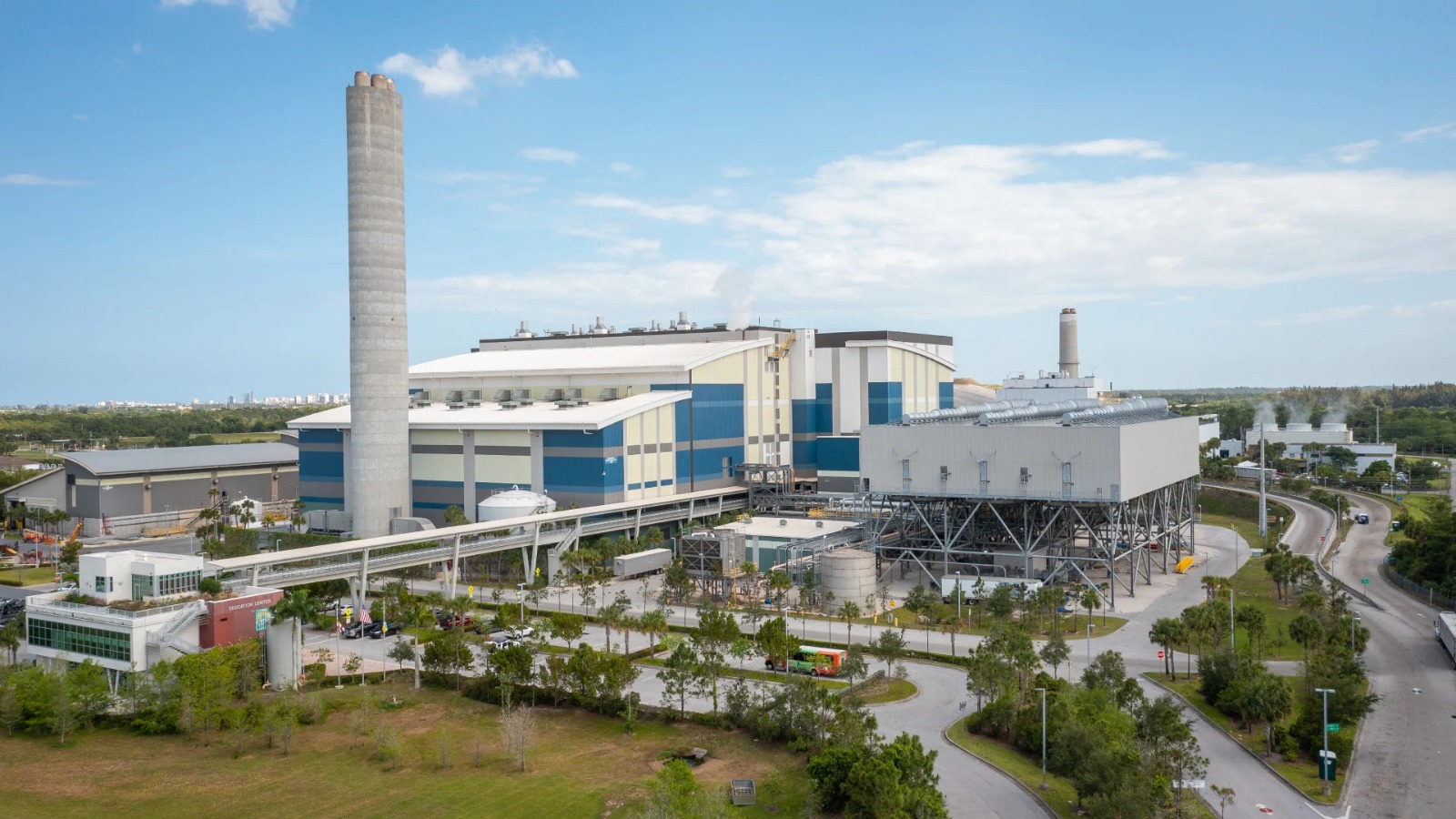
Waste-to-Energy Solutions: Turning Industrial Waste into Renewable Power
As industries expand, so does the challenge of managing industrial waste. Traditional disposal methods such as landfilling not only occupy valuable land but also contribute to greenhouse gas emissions. This is where waste-to-energy solutions are emerging as a sustainable alternative, transforming industrial waste into renewable power while reducing environmental impact.
What Are Waste-to-Energy Solutions?
Waste-to-energy (WTE) solutions refer to technologies that convert non-recyclable industrial waste into usable forms of energy, such as electricity, heat, or fuel. These systems reduce landfill dependency and support the transition toward renewable energy sources. In India, the growing focus on sustainability and energy security is accelerating the adoption of waste-to-energy plants across industrial clusters.
How Industrial Waste Becomes Renewable Power
Several technologies power modern waste-to-energy systems:
Incineration with energy recovery – Burns waste at high temperatures to generate steam, which drives turbines to produce electricity.
- Gasification – Converts waste into synthetic gas (syngas), which can be used to generate power or fuel.
- Pyrolysis – Breaks down waste materials in the absence of oxygen to produce oil, gas, and char.
- Biomethanation – Converts organic industrial waste into biogas through anaerobic digestion.
These technologies not only generate renewable power but also significantly reduce the volume of industrial waste.
Benefits of Waste-to-Energy for Industries
Adopting waste-to-energy solutions offers multiple advantages:
- Reduced landfill costs and environmental liability
- Lower carbon footprint and improved ESG performance
- Reliable on-site renewable power generation
- Compliance with environmental regulations
- Enhanced brand reputation as a sustainable enterprise
For manufacturing sectors producing large volumes of waste, WTE systems can turn an operational challenge into a strategic asset.
The Role of Waste-to-Energy in India’s Sustainability Goals
India’s push toward renewable energy and circular economy models makes waste-to-energy an essential component of sustainable industrial development. By converting industrial waste into renewable power, industries can contribute to national net-zero ambitions while strengthening operational efficiency.
As sustainability becomes central to industrial growth, waste-to-energy solutions are no longer optional; they are a forward-looking investment in cleaner production, energy independence, and environmental responsibility